In early 18th-century Europe, Chinese porcelain remained one of the most coveted luxuries among royalty and aristocracy.
Augustus II the Strong, Elector of Saxony, was famously obsessed with white porcelain. It is even said that he traded entire regiments of soldiers in exchange for Chinese porcelain, a fascination that ultimately led to the founding of Europe’s first hard-paste porcelain manufactory.
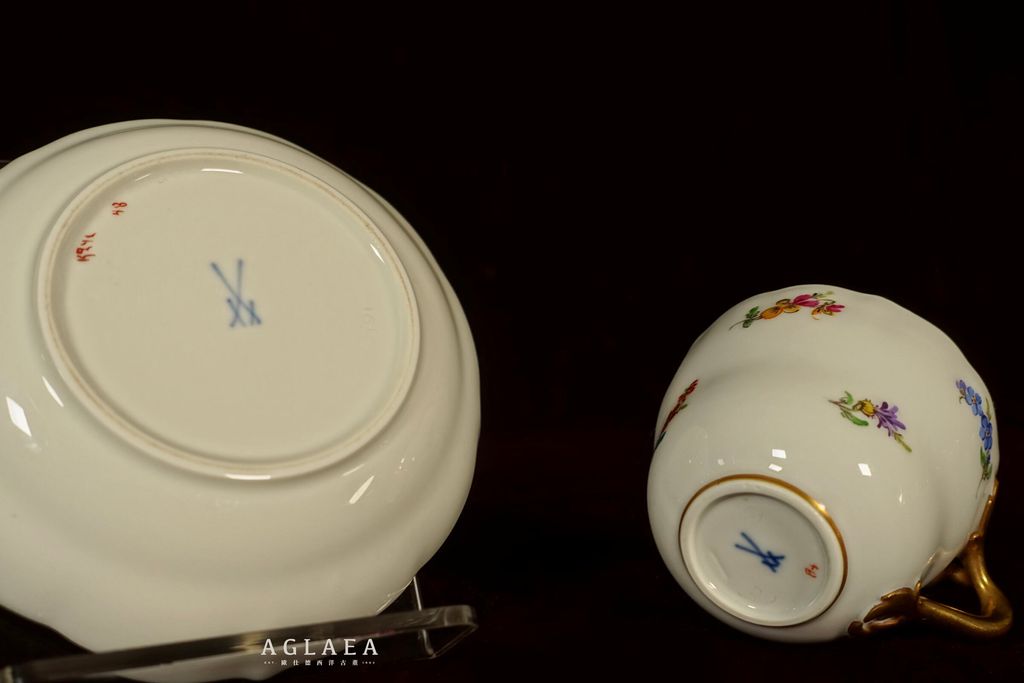
In 1710, Meissen was officially established. It became not only Germany’s most important porcelain house, but also the birthplace of European hard-paste porcelain.
KPM, on the other hand, represented the refined aesthetic of the Prussian royal court.
Founded in 1763 under the patronage of Frederick the Great, KPM Berlin became renowned for producing exceptional porcelain for European royalty and high society. Compared to the ornate grandeur of French porcelain, KPM embodied a more restrained and classically elegant sensibility.
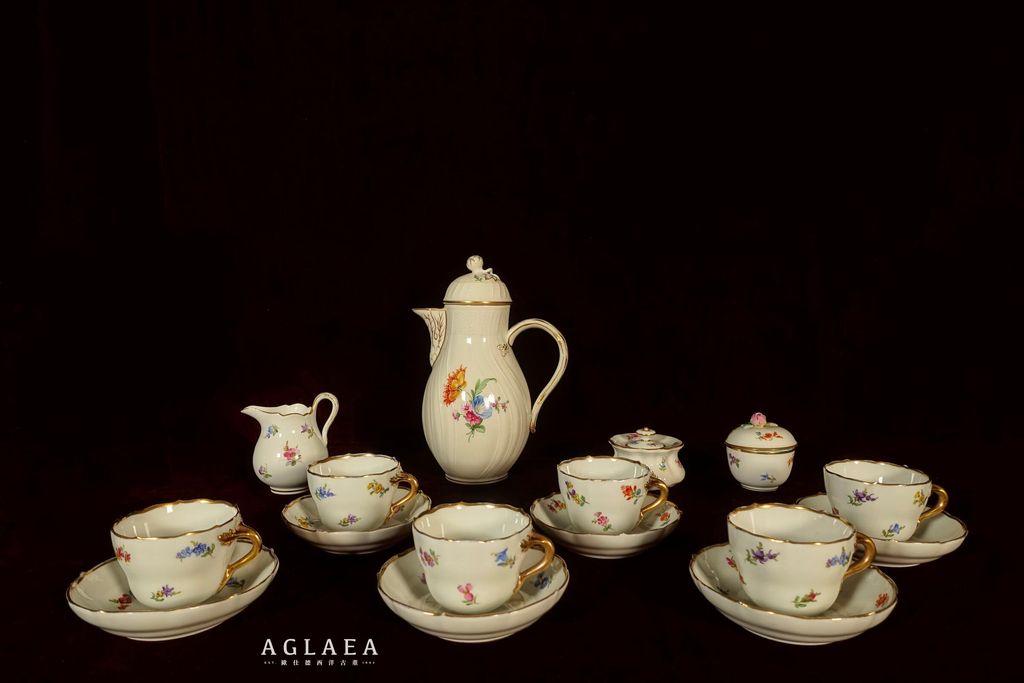
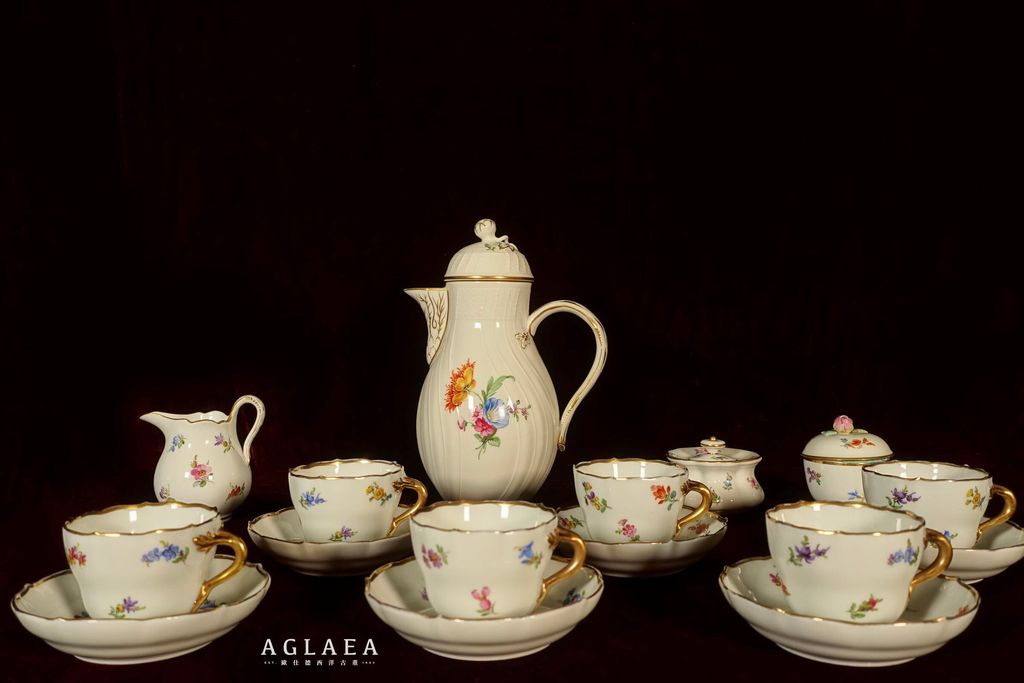
What makes this service especially captivating is the meeting of these two great German porcelain houses.
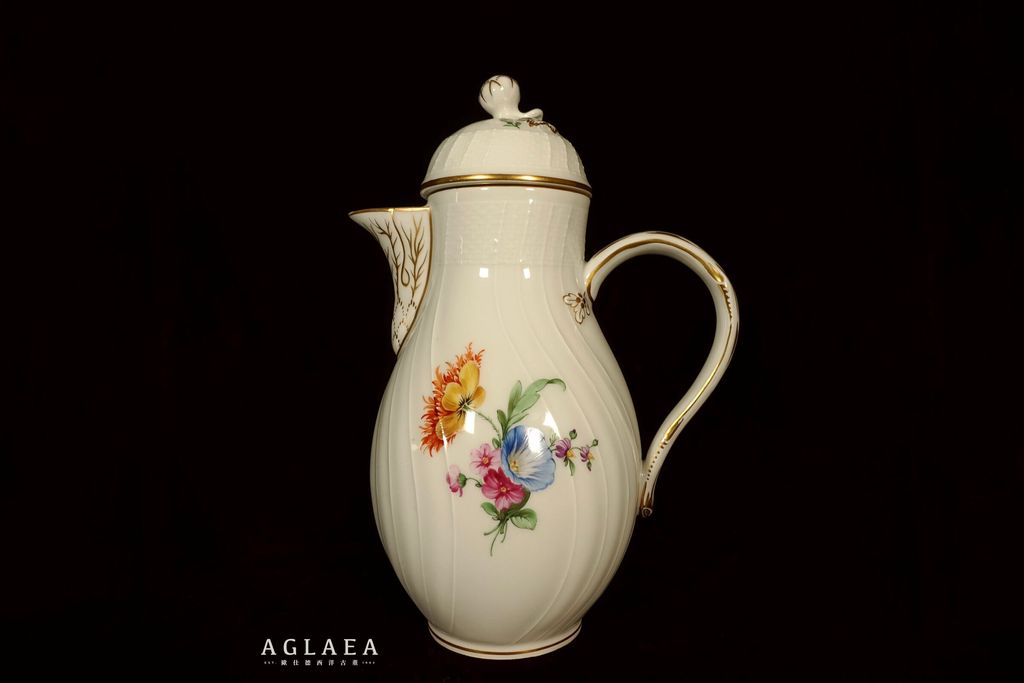
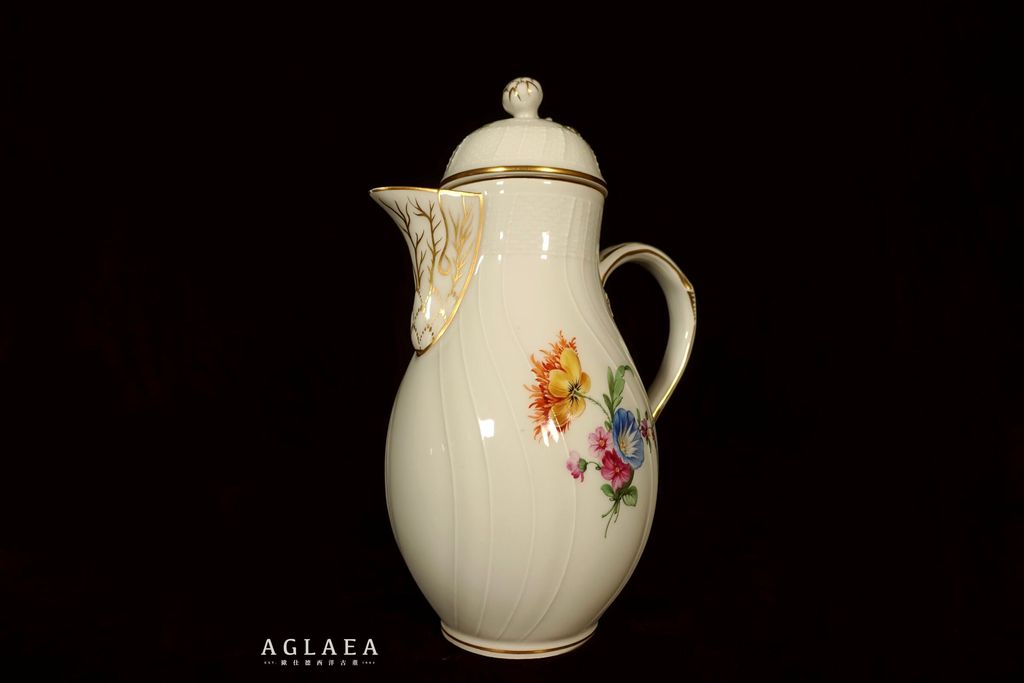
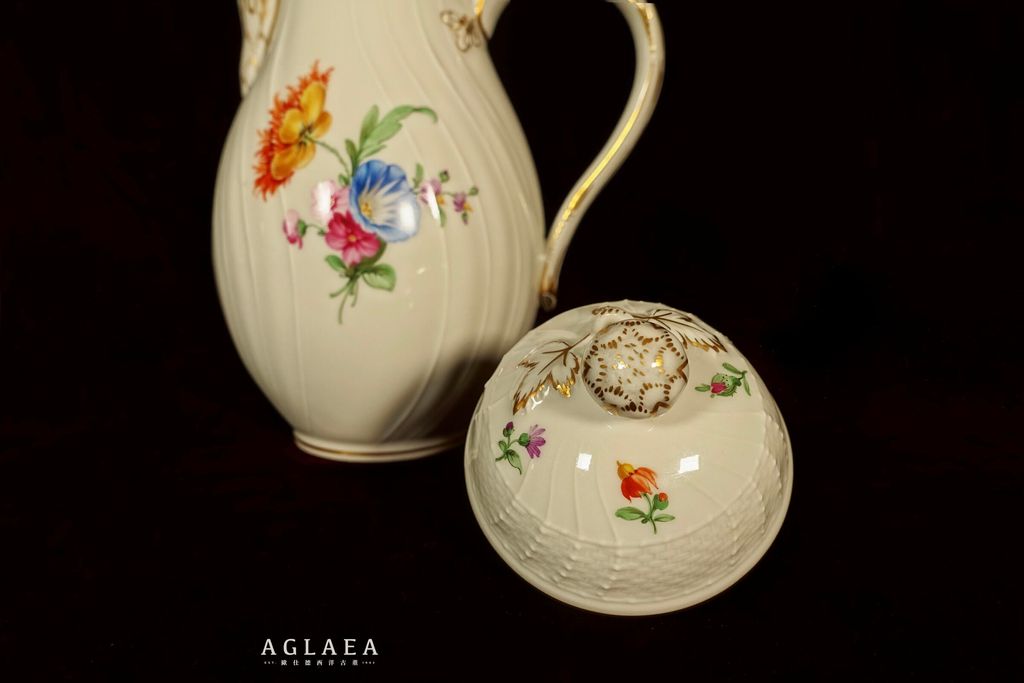
The tea pot, produced by KPM, features an elongated silhouette, sculptural relief detailing, and delicate gilt accents that reflect the refined elegance of German classical design.
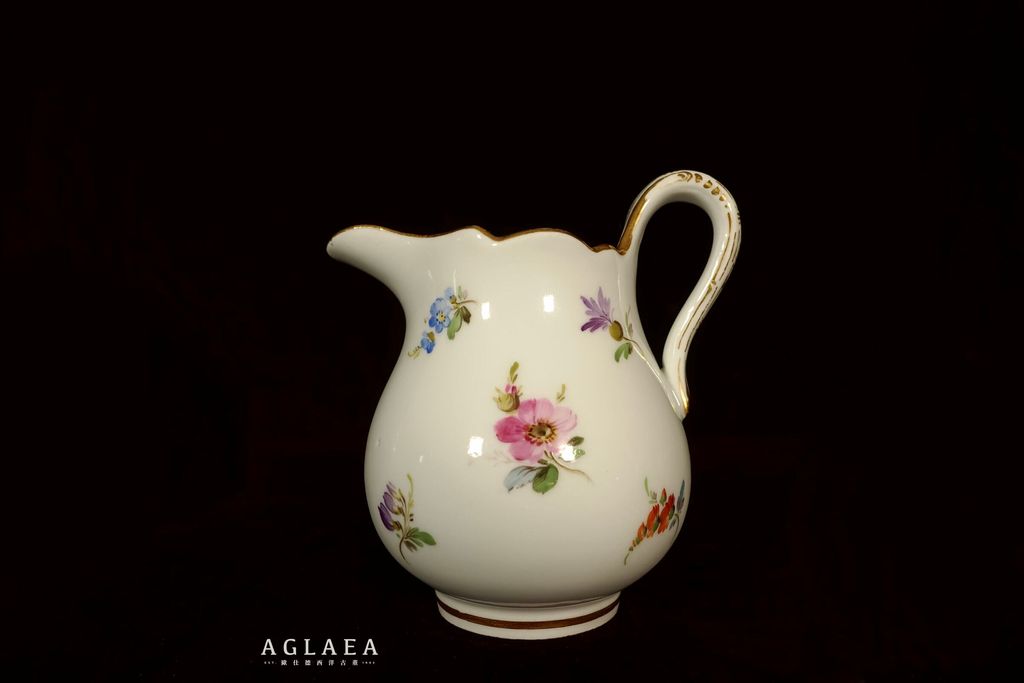
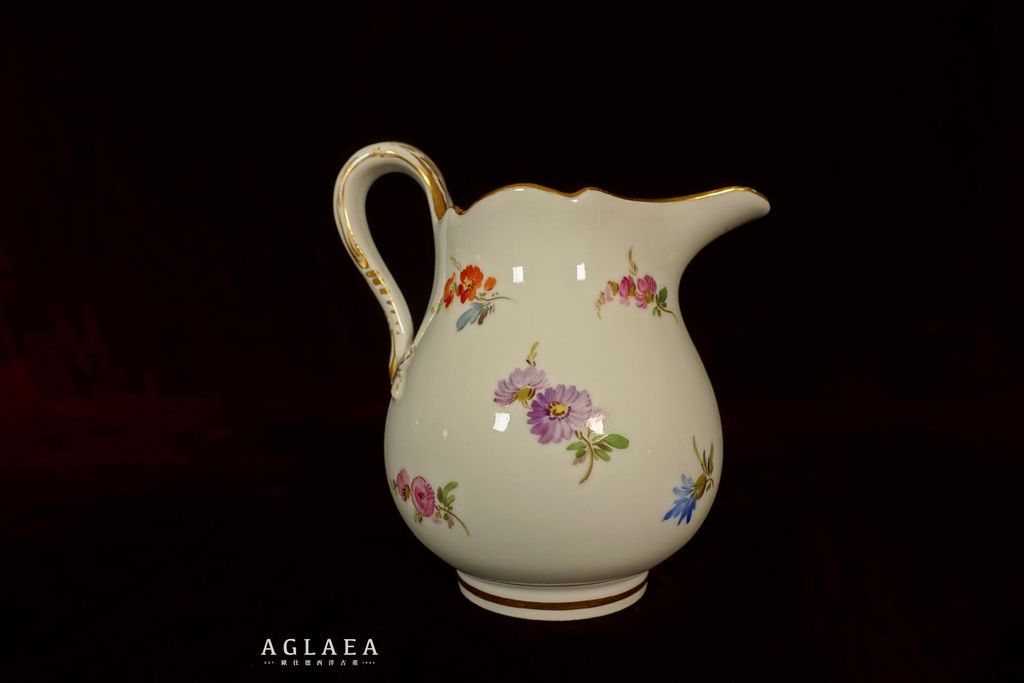
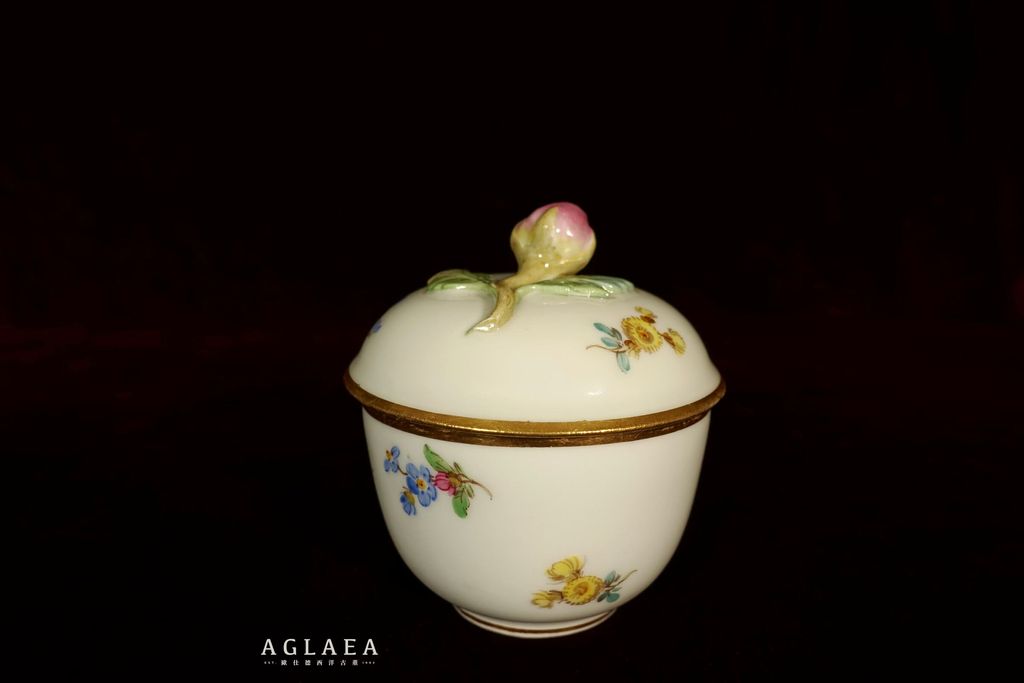
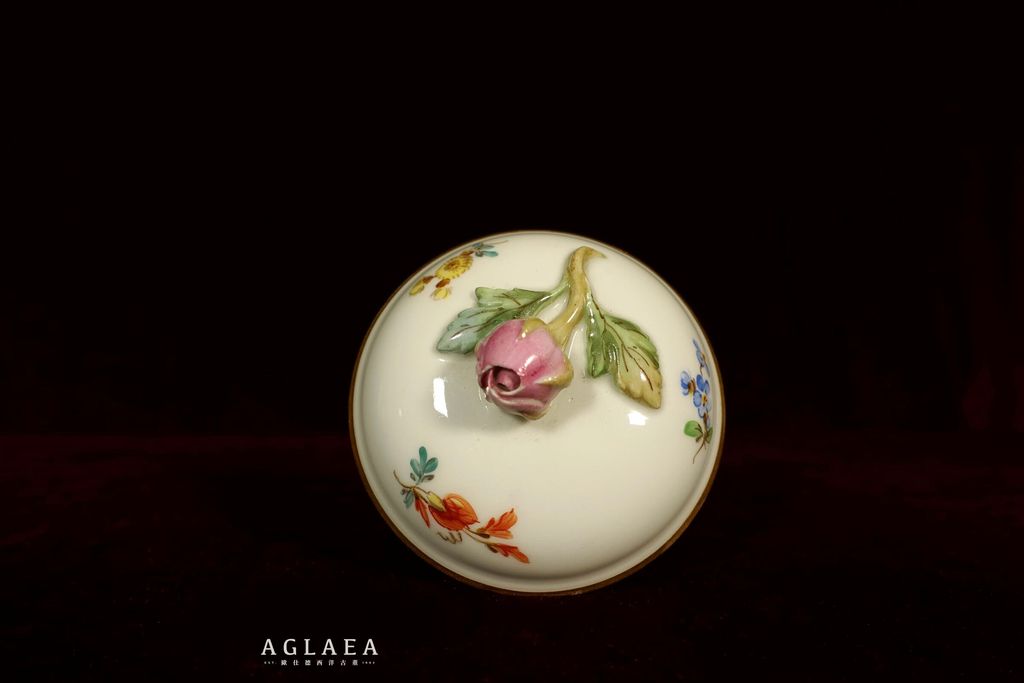
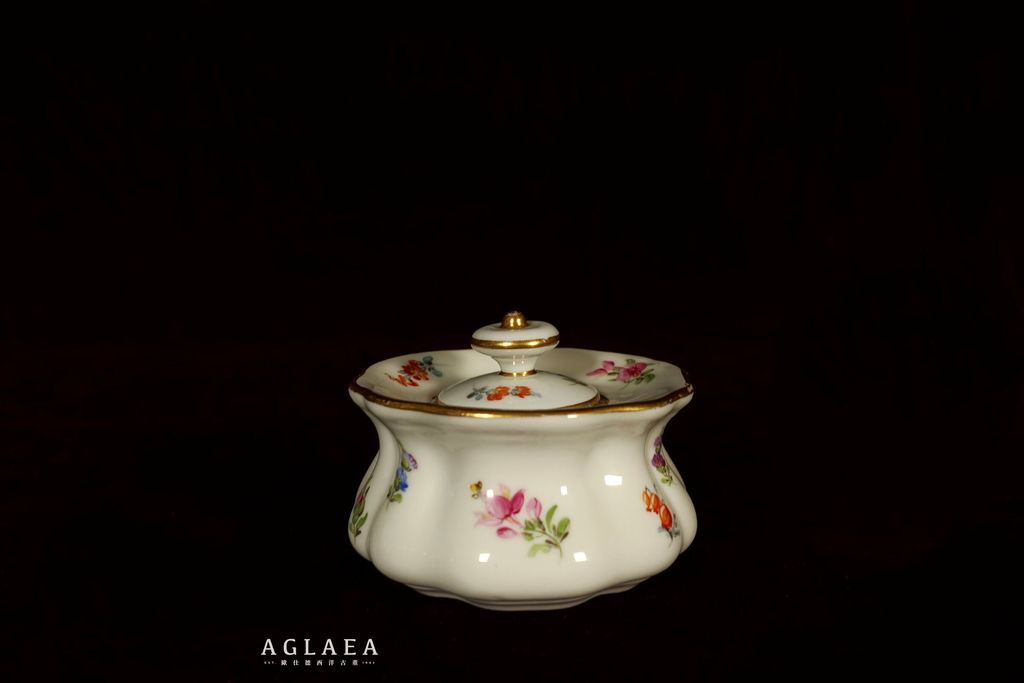
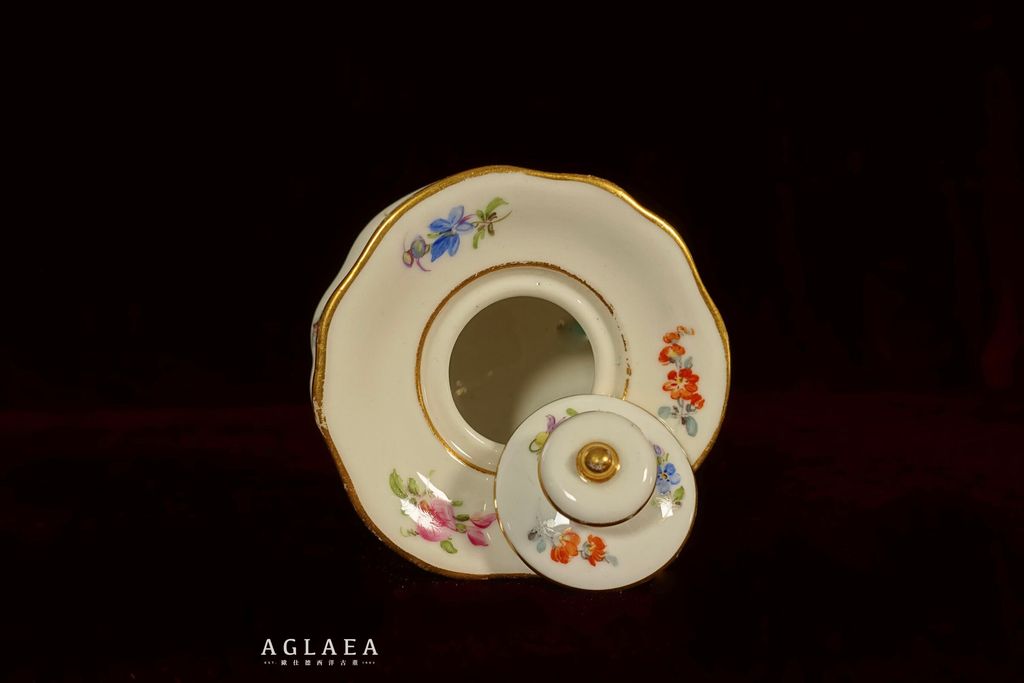
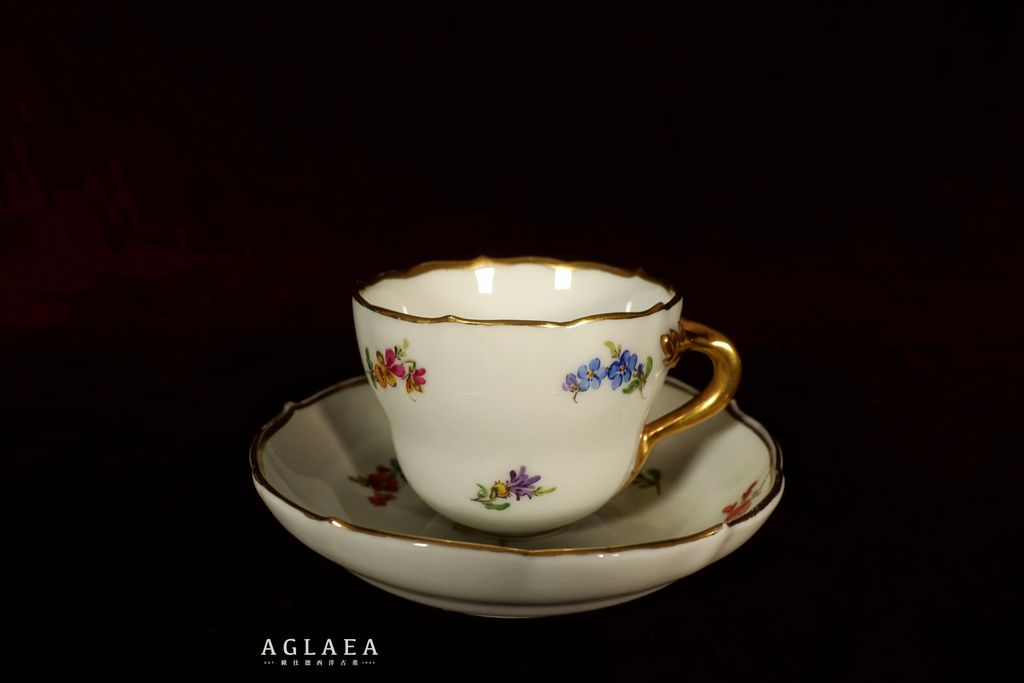
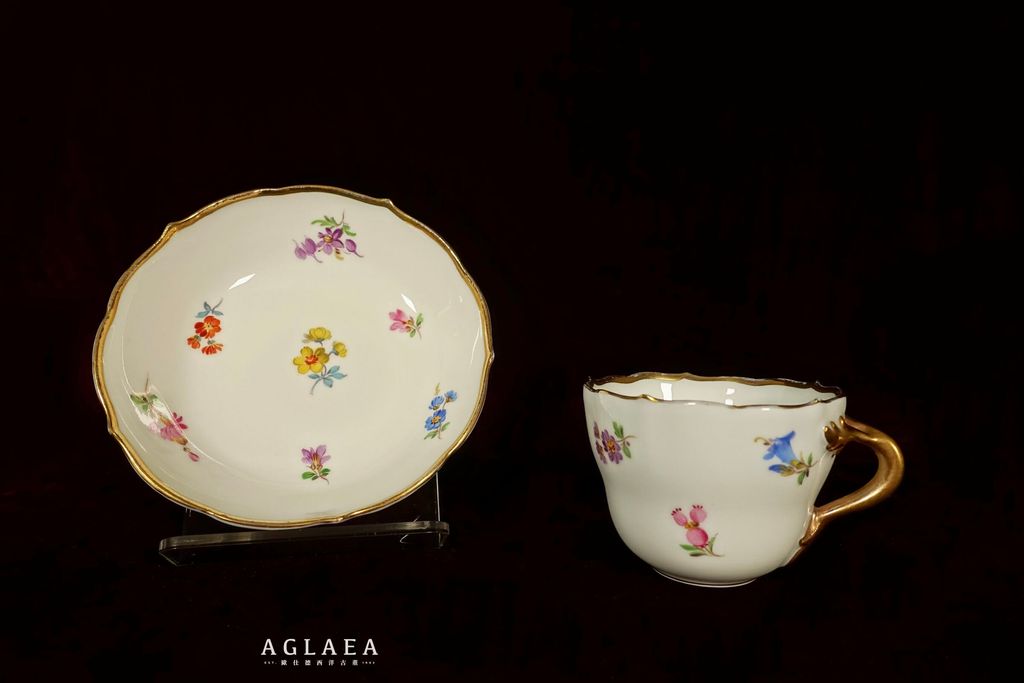
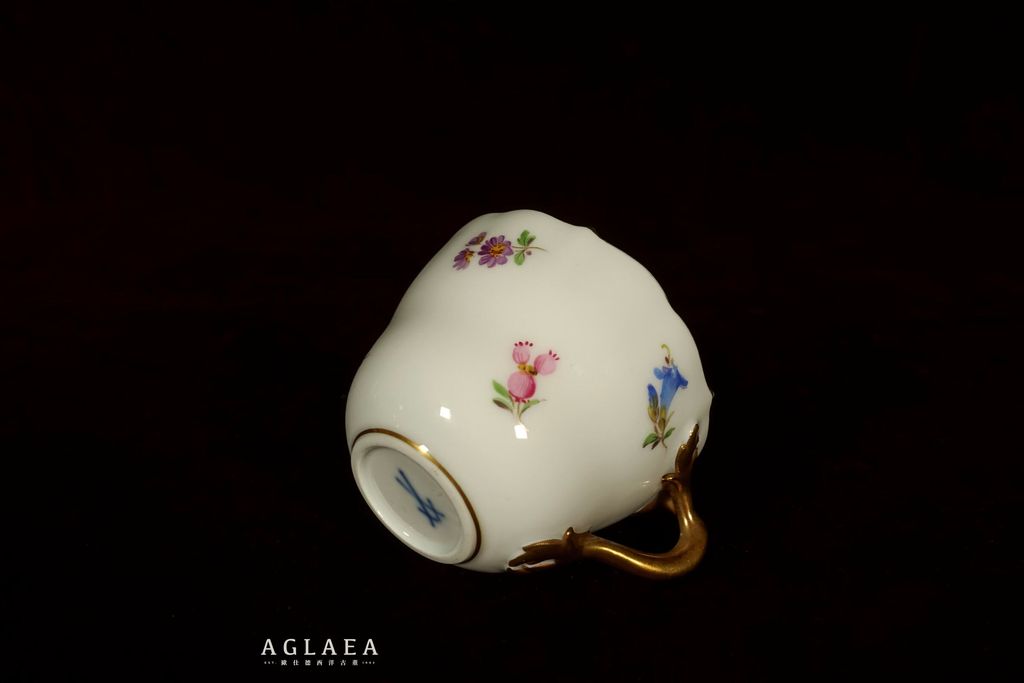
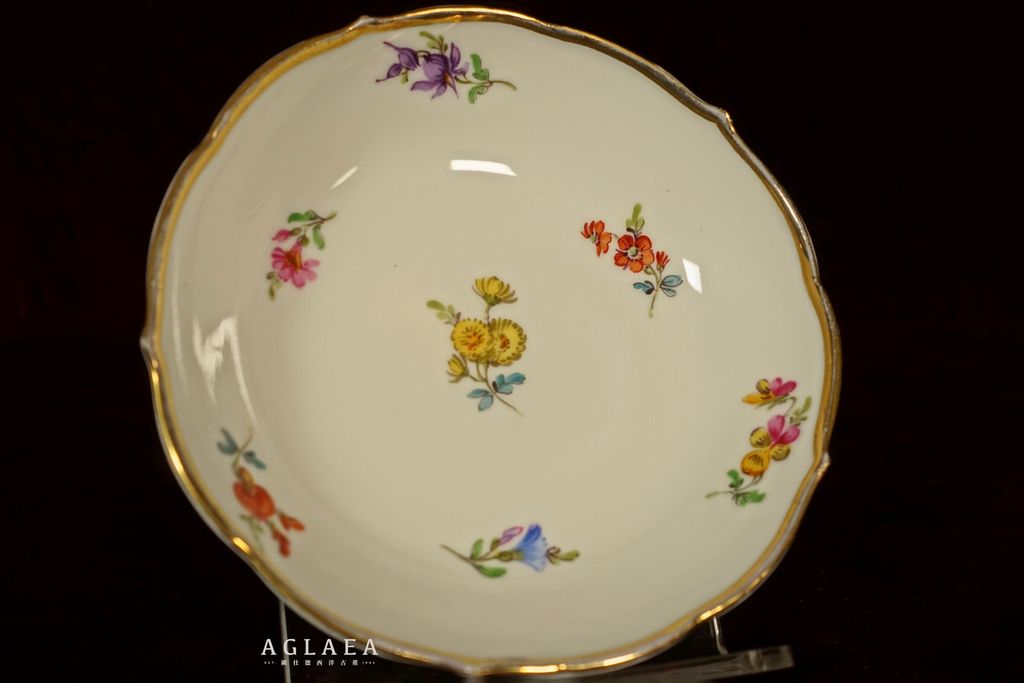
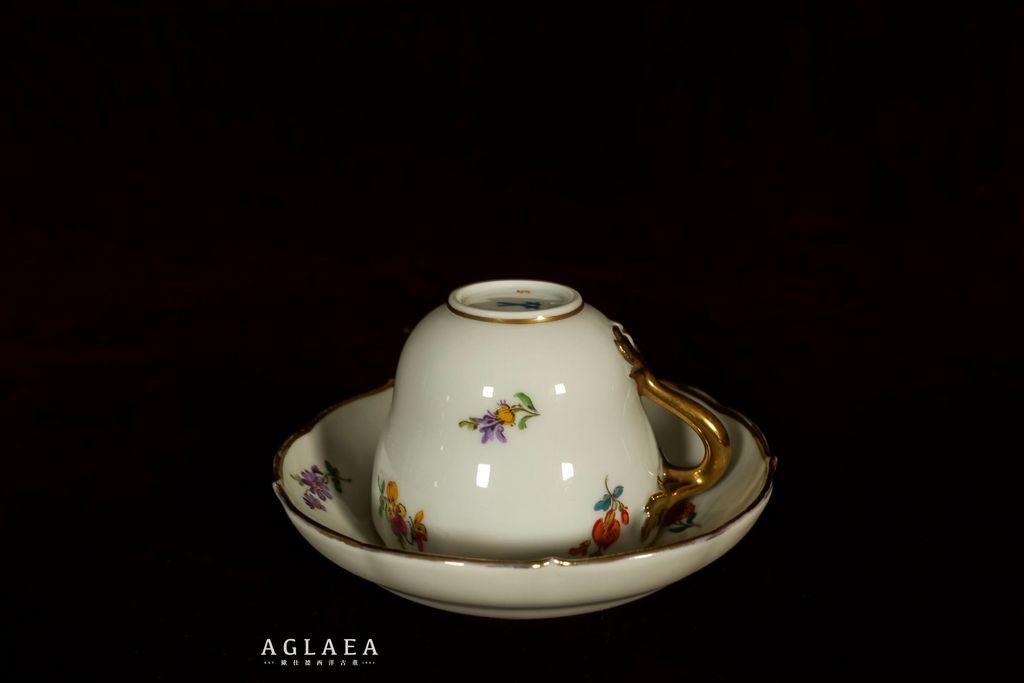
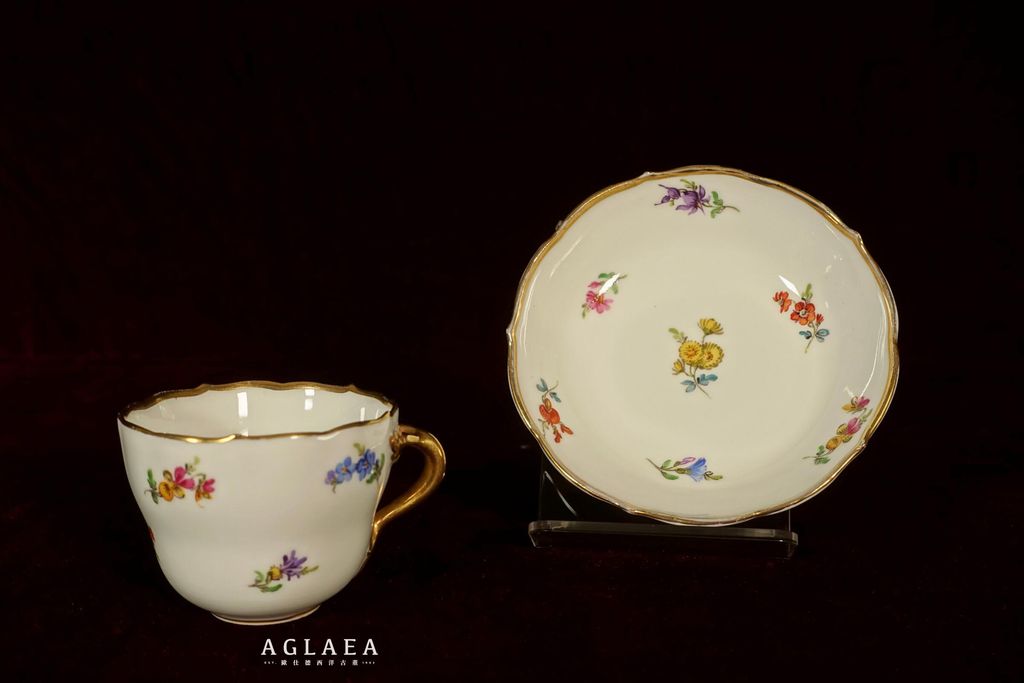
The cups and accompanying pieces by Meissen are adorned with hand-painted floral motifs upon luminous white porcelain, preserving the timeless beauty of traditional European floral porcelain.
Created circa 1947–1973, the service belongs to a period when Europe was gradually emerging from the aftermath of war and rediscovering beauty, art, and the rituals of daily life once again.
What these pieces preserve is not merely the artistry of porcelain itself, but an entire era in which beauty was considered an essential part of everyday living.
18 世紀初的歐洲,中國瓷器仍是皇室與貴族爭相收藏的珍品。而當時的薩克森國王 Augustus II the Strong,幾乎痴迷於白瓷。他甚至曾以大量軍隊交換中國瓷器,也因此推動了歐洲第一座硬瓷工坊的誕生。
1710 年,Meissen 正式成立。它不只是德國最重要的瓷廠,更被視為「歐洲硬瓷的起點」。
而 KPM,則是另一個象徵普魯士王室審美的名字。1763 年由腓特烈大帝支持建立的 KPM Berlin,長年專為歐洲皇室與上流社會製作高級瓷器,比起法式的華麗風格,更多了一種克制而優雅的古典氣質。
這組作品最迷人的地方,正是在於兩個德國頂級瓷廠的相遇。主壺來自 KPM,以修長壺身、立體紋路與細膩描金,展現德國古典設計特有的美感。而杯組則來自 Meissen,以手繪花卉點綴溫潤白瓷,保留歐洲花卉瓷最經典的優雅氣息。
製作年代約為 1947–1973 年,那是一個歐洲逐漸走出戰後時期、重新回到生活與藝術之中的年代。
它們所留下的,不只是瓷器工藝本身,更是一個如何將美融入生活之中的時代。